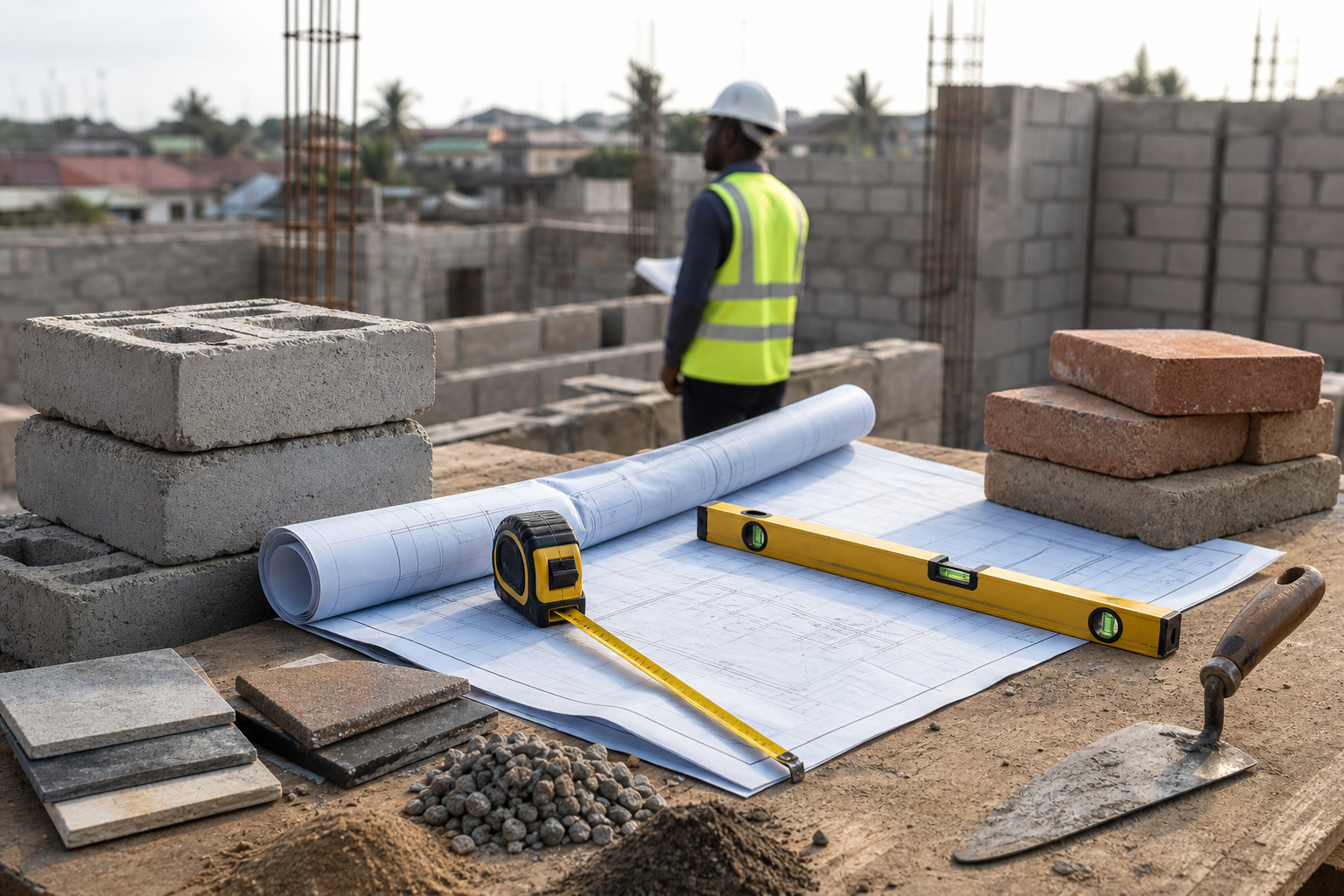
The difference between labour-only and labour-and-materials is not merely who pays at the shop. It changes procurement responsibility, quality control, storage, delivery risk and the information required before work starts.
What labour-only usually means
The client purchases and delivers materials while the contractor provides agreed labour and ordinary trade tools. This can give the client direct control over product selection, but it also places responsibility for quantities, timing, transport and shortages on the client unless the agreement says otherwise.
What labour-and-materials usually means
The contractor prices and supplies defined materials as part of the scope. The quotation should state brands or performance standards, quantities where appropriate, delivery assumptions and how substitutions will be approved.
Compare the real management burden
A client buying materials must be available to approve selections, release funds, check deliveries and respond to shortages. Late delivery can stop labour while incorrect products can create waste or rework. A contractor-supplied package usually costs more because it includes procurement coordination and associated risk.
Define storage and custody
Agree who receives materials, where they will be stored and who controls access. Cement, paint, tiles, fittings and electrical items need different protection. Record high-value deliveries and damage promptly.
Control variations and waste
Both arrangements need a written method for additional quantities, damaged materials and scope changes. Ask whether normal waste is included and how unused client-owned materials will be handled.
Questions to settle before choosing
- Who prepares and verifies quantities?
- Who selects products and approves alternatives?
- Who transports, receives and protects deliveries?
- What happens when materials arrive late?
- Who owns unused materials?
- How are additional quantities authorized?
The better option is the one that matches the client’s time, procurement experience and need for a single point of responsibility.
Share the project scope with Vinmah Orvex.
Include the location, current condition, intended work and any available drawings or photographs.
Request a Quote